



Hardware Requirements for Running Local AI: 2026 Guide
Choosing hardware for local AI is less about chasing the newest chip and more about matching the machine to the models and workflows you actually plan to run. A local AI PC can be a quiet productivity tool for writing, coding, and offline assistants, or it can become a serious inference box for larger ai models like vision systems and long-context chat. The hardware requirements shift quickly with model size, quantization, and how fast responses need to feel. This guide breaks down the core parts that matter most, where to spend more, where to save, and how to decide between upgrades, a new desktop, or even cloud AI.
What Hardware Requirements Matter for Local AI?
Running local AI means loading and executing a model on your own hardware instead of sending prompts to a remote service. That sounds simple, but hardware requirements vary a lot once model size, context length, and speed expectations enter the picture. A small assistant that drafts emails can feel fine on modest hardware, while local AI models for coding, image analysis, or long conversations may demand far more memory and bandwidth. For most buyers, the real decision factors are VRAM, system RAM, storage, power draw, and software support. This guide is aimed at beginners who want a safe starting point, upgraders trying to stretch existing hardware, and buyers comparing builds before spending on a local AI PC.
Local AI vs Cloud AI: Which Fits Your Needs?
Local AI and cloud AI solve similar problems, but they optimize for different things. Cloud AI usually wins on convenience, access to frontier models, and zero setup time. Local AI wins on privacy, offline access, lower long-term cost, and repeat usage without per-request fees. If prompts are sensitive, the network is unreliable, or a workflow repeats all day, running local AI can be the better fit. If the work is occasional, highly complex, or depends on the best models available, cloud AI may be the smarter choice. A practical rule is simple: use local AI for everyday tasks you want close to the machine, cloud AI for occasional heavy lifting, and a hybrid setup if both matter.
When Cloud AI Still Wins
Frontier models often outperform consumer hardware on difficult reasoning, multimodal analysis, and large batch workloads. They also avoid the memory limits that constrain a desktop GPU or Apple Silicon system. For teams that need the best results quickly, cloud AI removes the upfront purchase and maintenance burden.
The Core Hardware Requirements Checklist
The shortest version of local AI hardware requirements is this: start with the accelerator, then make sure the rest of the system can feed it and keep up. For most people, the GPU is the main bottleneck, because it determines which model sizes can run smoothly and how quickly tokens are produced. RAM comes next, especially if the system needs to load bigger models, keep browser tabs open, or handle multiple tools at once. Fast storage matters because model files are large, downloads are frequent, and caches grow over time. CPU support is the final piece; it matters for orchestration, preprocessing, and CPU-only inference, but it rarely outranks VRAM or memory capacity. In practice, local AI hardware is a balancing act, not a single-spec contest.
VRAM Is King
VRAM usually decides whether local AI models run comfortably or constantly feel cramped. More VRAM lets a model fit with longer context windows, higher batch sizes, and fewer compromises from offloading to system memory. That distinction matters: a model may technically load on a card, yet still run too slowly to be pleasant.
How Much RAM You Actually Need
System RAM supports model loading, multitasking, and larger working sets around the model itself. For basic local AI use, 16GB can work; 32GB is a safer midrange target; 64GB becomes attractive for heavier experiments or larger contexts. The model file is only part of the memory story.
Choosing a GPU for Local AI
For most buyers, the GPU is the first place to look because it has the biggest impact on running local AI models. Desktop GPU options differ in VRAM, price, ecosystem maturity, and how well they are supported by common inference tools. NVIDIA still has the broadest software support, but older high-VRAM cards can be excellent value if the price is right. AMD can make sense for buyers who already own one, especially as software support improves, while Intel remains interesting for entry-level experimentation and some integrated workflows. The best choice is rarely about brand loyalty; it is about matching VRAM and sustained performance to the models you want. In the local AI hardware market, vram is king, but practical support is the crown that keeps it usable.
| GPU Type | Strength | Main Trade-off |
|---|---|---|
| NVIDIA desktop GPU | Best software ecosystem | Often higher price |
| AMD desktop GPU | Good value in some builds | Support can be more selective |
| Intel GPU | Interesting entry option | Less proven for many workflows |
Desktop GPU vs Gaming Laptop
A desktop GPU is usually the better long-term local AI choice because it offers better cooling, more upgrade flexibility, and more consistent sustained performance. A gaming laptop can absolutely run local AI, but it often faces tighter thermal limits and power caps that reduce headroom over long sessions. Portability helps, yet desktops win on value per euro and future upgrades.
Why 12GB, 16GB, and 24GB VRAM Matter
Those VRAM tiers map to very different practical outcomes. 12GB opens the door to smaller and some midrange models, 16GB gives more breathing room for everyday use, and 24GB is where many enthusiasts start feeling genuinely comfortable. As model size and context grow, VRAM needs rise fast.
Apple Silicon Hardware Requirements for Local AI
Apple Silicon is popular for local AI because it combines strong efficiency with a memory architecture that can handle inference well, even without a discrete desktop GPU. The appeal is strongest for users who want a quiet machine for everyday local AI, writing, coding, or personal assistants. Unified memory changes the way capacity is judged: instead of separate system RAM and VRAM, the whole pool is shared. That can simplify local AI workflows and make memory planning easier. Still, not every Mac is a good fit. Lower-memory configurations can feel limited quickly, while higher-memory models become expensive fast. Compared with a typical gaming pc, Apple Silicon is often less flexible but can be very polished for day-to-day inference.
Unified Memory Explained
Unified memory means the CPU and GPU share one memory pool rather than keeping separate buckets. For local AI, that can make model loading more straightforward and reduce some of the friction around memory duplication. Even so, total memory size matters far more than chip branding alone.
CPU, Storage, and Power Draw Considerations
The CPU matters for local AI, but usually as a supporting actor rather than the lead. A fast processor helps with preprocessing, file handling, and CPU-bound workloads, yet it will not rescue a system that runs out of VRAM. Storage is easier to overlook than it should be: model downloads, quantized variants, caches, and tooling can fill drives quickly. Power draw is another real-world constraint, especially in small apartments, shared workspaces, or all-day use. A quieter system with sensible cooling can be far more pleasant than a hotter machine with only slightly better benchmarks. The best hardware requirements plan balances speed with energy use, noise, and everyday comfort.
SSD Requirements for Local AI
Fast NVMe storage makes model downloads, loading, and caching feel much smoother than older SATA drives. Multiple local AI models can consume hundreds of gigabytes before long, especially if several versions are kept for testing. Leave room for checkpoints, quantized builds, and application data.
Power Supply and Cooling Basics
Stable power delivery matters during sustained AI workloads, not just during boot. Weak cooling can trigger throttling once sessions run long, which hurts performance more than many buyers expect. Size the PSU and airflow for the full system, not only the GPU.
Hardware Requirements by Model Size
Model families give a practical way to match hardware to expectations. Small models are easier to run, midrange models often become the sweet spot, and large models can push a system into expensive territory quickly. Quantization changes the picture by reducing memory use, but context length still matters, and comfort is more important than a model merely launching. If the goal is a responsive local AI PC for everyday use, the focus should be on what runs well rather than what technically fits after a few compromises. The tiers below are a useful shortcut for deciding whether a system is realistic before money changes hands.
Small Models: 3B to 8B
This is the entry tier for chatting, drafting, and lightweight productivity tasks. Many modest laptops and budget desktops can handle these models, especially with sensible quantization. It is the safest starting point for beginners exploring local AI hardware.
Midrange Models: 13B to 34B
This range benefits strongly from a capable desktop GPU and enough system memory to avoid bottlenecks. Higher VRAM becomes important here, and 32GB to 64GB of RAM starts making practical sense. For enthusiasts, this is often the most useful performance-to-cost zone.
Large Models: 70B and Beyond
Large models usually demand serious memory capacity, a hybrid workflow, or cloud AI help. Systems built for this tier are expensive and less beginner-friendly, especially if the aim is smooth interactive use. For many buyers, cloud AI is simply the better option here.
Quantization and Why It Changes Hardware Needs
Quantization is the process of shrinking model precision so the model uses less memory and often runs more efficiently on consumer hardware. In plain terms, it helps larger local AI models fit into the limits of a desktop GPU or unified memory system. That is why many people can run local AI models that would otherwise be out of reach. The tradeoff is usually some quality loss, though the impact varies by model and task. For most buyers, starting with common quantization levels is the smart move before thinking about expensive hardware upgrades. It is often better to run a slightly smaller model comfortably than to force a larger one into a setup that constantly struggles.
Best Local AI Hardware Setups by Budget
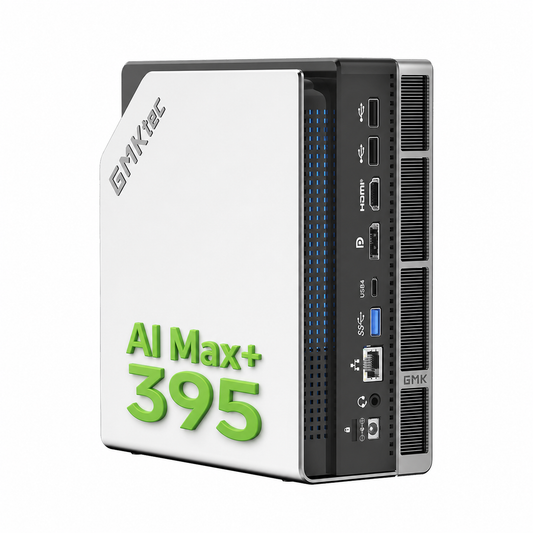
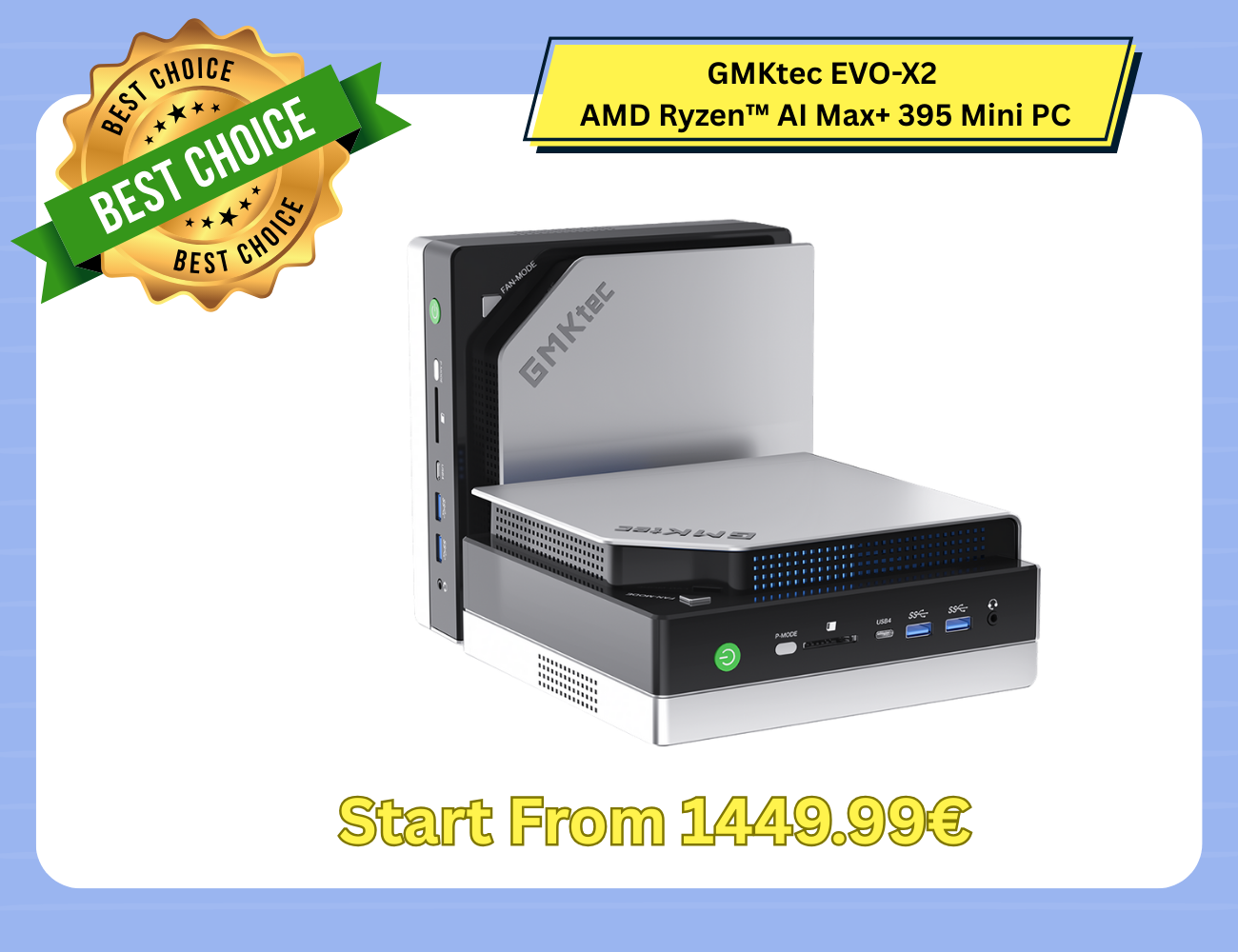
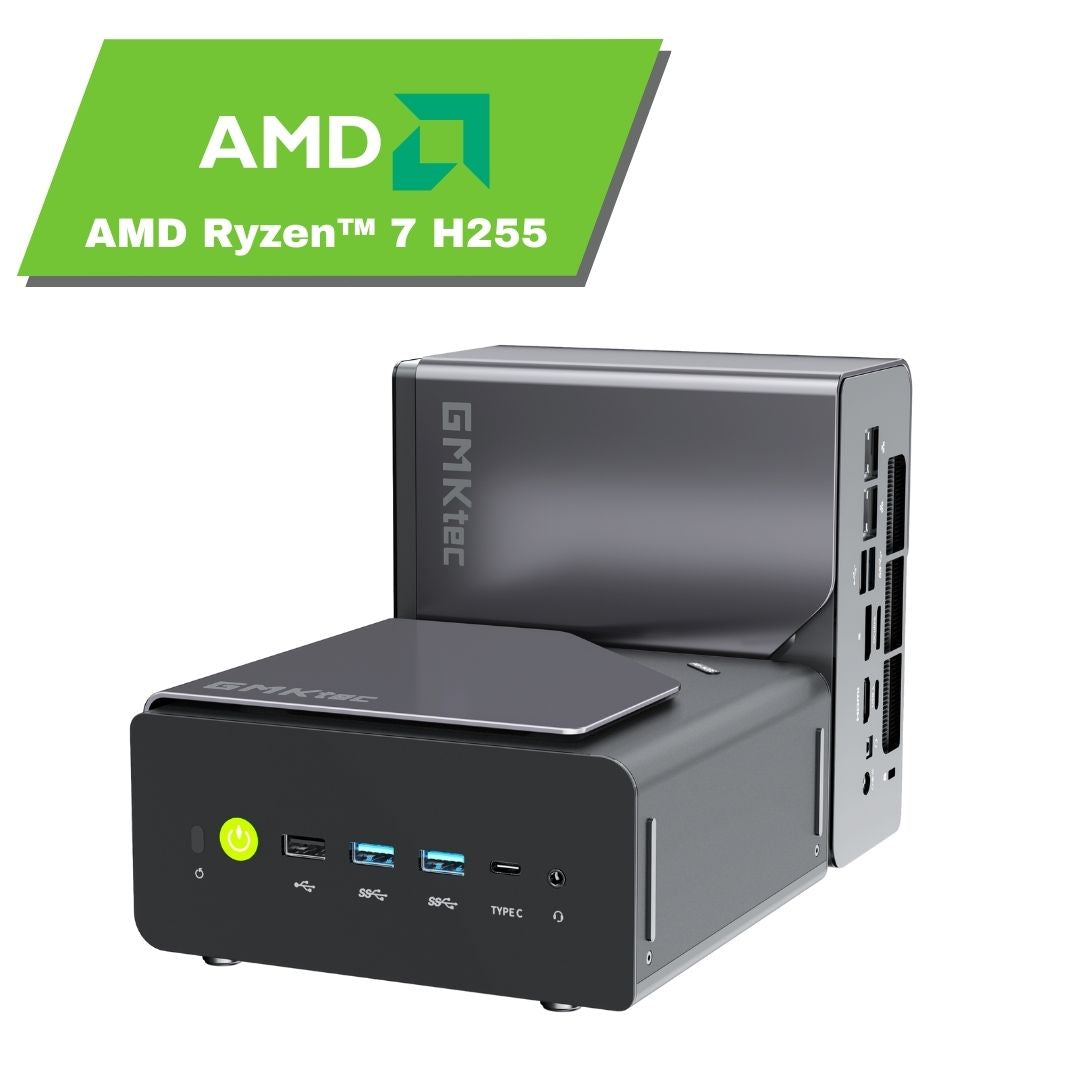
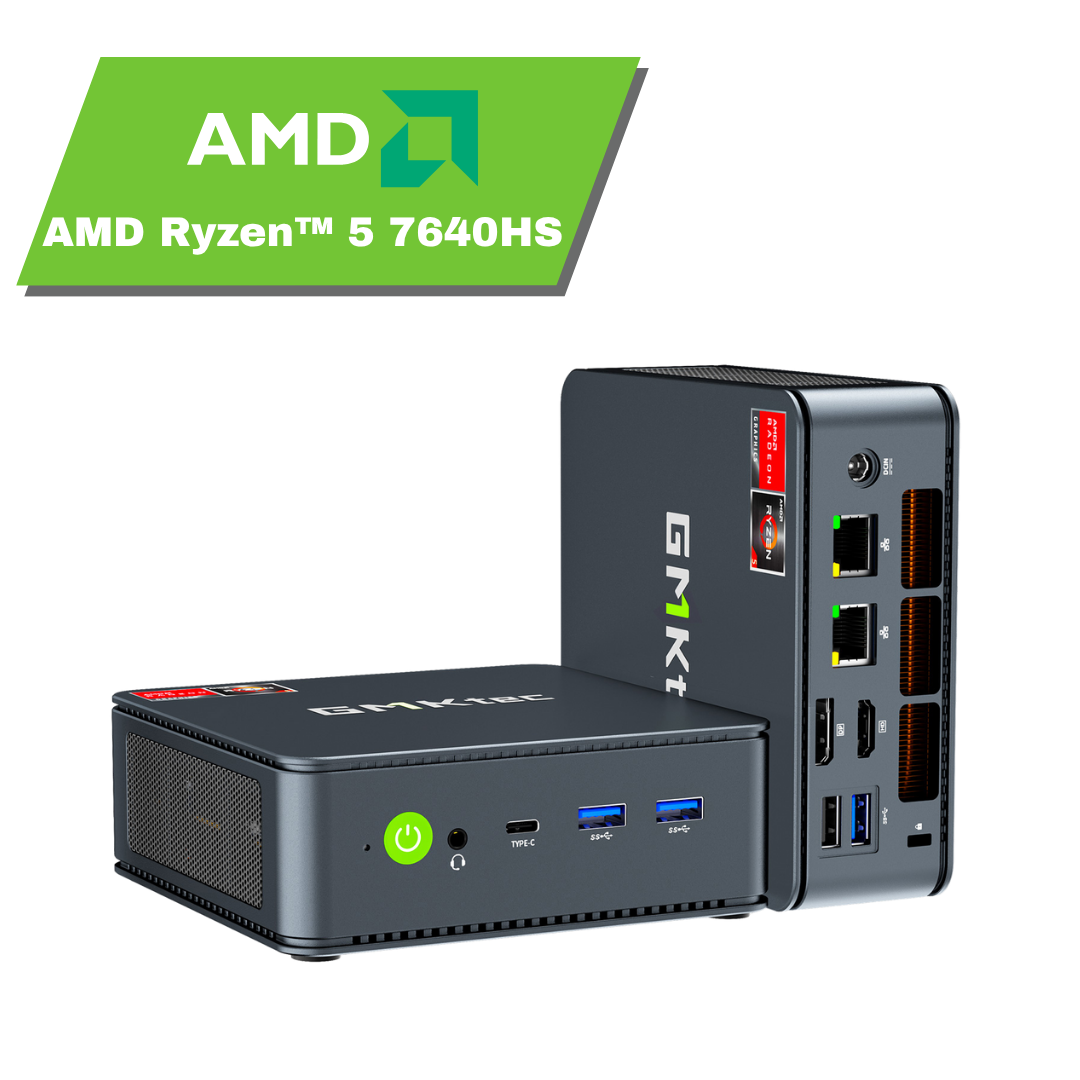
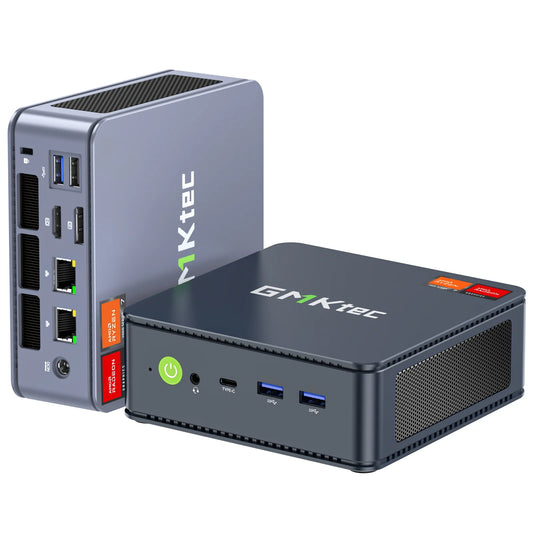
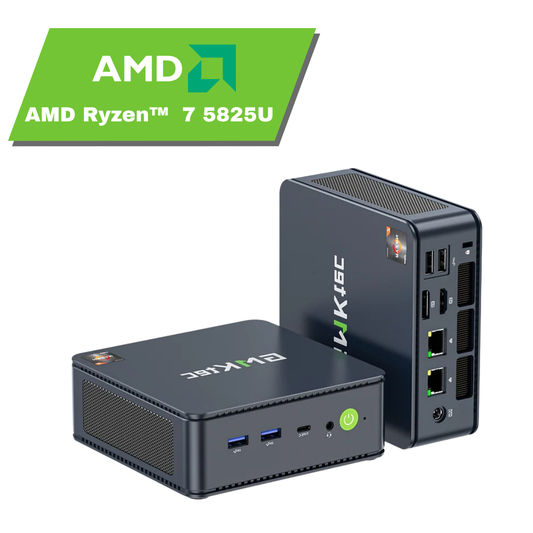
Buying by budget is useful, but only if the tiers are tied to actual use cases. A smart starter build does not need to chase every benchmark, while a sweet spot build should focus on VRAM, RAM, and sustained performance rather than flashy extras. High-end systems make sense for heavy experimentation, larger models, and users who value headroom. In Germany, where energy costs and space can matter just as much as raw speed, a compact desktop computer or mini pc with good expandability can be a sensible local AI platform. The best local AI hardware is the one that matches the models, not the marketing.
| Tier | Best For | Typical Focus |
|---|---|---|
| Budget starter | Learning and small models | Enough RAM, stable storage |
| Sweet spot | Everyday local AI use | Strong VRAM and balanced system |
| High-end | Large models and experimentation | Headroom and sustained output |
Budget Starter Build
A budget starter build is meant for small models and learning the workflow without overspending. Prioritize enough memory, a reliable NVMe SSD, and a path to upgrade later. It will handle lightweight assistants well, but it will hit limits fast with larger local AI models.
Sweet Spot Build
This is where most serious hobbyists land because the balance of speed and cost is strong. Better VRAM, enough RAM, and solid cooling make everyday prompts feel responsive. For writing, coding, and general local AI use, it is usually the most comfortable choice.
High-End Build
High-end systems are for users who want larger models, faster output, and more headroom for experimentation. The hardware cost is easier to justify when local AI is used daily or professionally. This tier makes sense for heavy use, not casual curiosity.
Can You Use a Gaming Laptop for Local AI?
A gaming laptop can be a valid local AI option if it has enough VRAM, decent cooling, and a power profile that can hold up under sustained load. The tradeoff is straightforward: portability comes with more thermal constraints and usually less upgrade room. A strong mobile GPU can run local AI models well enough for personal use, but the machine may slow down once heat builds up. For users who move between office, home, and travel, a laptop can be convenient. For anyone prioritizing long-term value and headroom, a desktop usually offers a better return.
How to Upgrade Existing Hardware for Local AI
If a current system already exists, the easiest upgrades are usually RAM, storage, and then the GPU. Before buying anything, check motherboard compatibility, PSU capacity, case space, and cooling clearance. That matters more than benchmark charts when the goal is stable local AI hardware. It also helps to upgrade for the model you want to run rather than for generic performance numbers. A machine that is fine for 8B models may still struggle with 13B or 34B workloads. Older systems can be repurposed, but very old hardware often becomes a bottleneck that no single part can fully fix.
Best Software Stack for Running Local AI
Hardware alone does not complete the setup, because software support can decide whether a machine feels effortless or awkward. Beginners usually benefit from user-friendly local AI apps or runtimes that hide most of the complexity and make model loading simple. This is especially true on Macs and AMD systems, where the software ecosystem can influence the buying decision. A good stack should include a model manager, a clean interface, and well-documented support for the hardware on hand. The goal is to start running local AI models quickly, not to spend days tuning drivers before the first prompt works.
What to Install First
Start with a user-friendly local AI app or runtime that is known to support the platform well. A good interface reduces setup friction and makes the first models easier to manage. Well-documented tools save time and lower the chance of avoidable mistakes.
Common Hardware Mistakes to Avoid
The most common mistake is buying too little VRAM and expecting large models to feel smooth. Another is assuming a fast CPU can compensate for memory limits; it usually cannot. Weak cooling, undersized power supplies, and cramped storage planning also cause more frustration than buyers expect. The safest approach is to match the machine to the actual local AI models you want to run, not the biggest headline benchmark. That one decision avoids the most expensive regrets later.
Frequently Asked Questions About Hardware Requirements
Most beginner questions come down to memory, compatibility, and whether local AI is worth the effort. The short answers below are meant to keep the decision practical. They also reinforce the biggest buying rules: VRAM matters, RAM matters, and software support can change the experience dramatically. If the goal is to build a local AI PC with sensible hardware requirements, these are the questions worth answering first.
Do I need a GPU for local AI?
No, but a GPU makes a big difference in speed. Small models can run on CPU-only systems, though the experience quickly becomes frustrating as models grow or prompts get longer. For comfortable use, a GPU is usually worth it.
How much RAM do I need for local AI?
For light use, 16GB can work. For a more practical setup, 32GB is a safer floor, and 64GB helps with larger models or multitasking. Extra headroom matters because the system does more than hold the model file.
Is Apple Silicon good for local AI?
Yes, especially for local inference and efficient everyday use. The key buying factor is total unified memory, not just the chip name. Higher-memory Apple Silicon systems are far more capable for local AI.
Should I use local AI or cloud AI?
Use local AI for privacy, offline work, and frequent tasks. Use cloud AI for frontier models and heavy workloads that exceed consumer hardware. For most people, a hybrid setup is the most flexible choice.
Final Buying Advice for Local AI Hardware
The most useful rule is simple: match hardware to the model size and workflow, then build from there. Start smaller if needed, test real prompts, and upgrade strategically rather than chasing marketing claims. VRAM, RAM, and software support matter more than raw hype, and the best local AI hardware is the one that runs the models you actually want comfortably. If a compact desktop, barebone computer, or expandable local AI PC fits the space and workload, it is often the smartest long-term buy. Check compatibility first, then buy for today with enough room for tomorrow.